top of page
Search


Your Cyber Policy Probably Doesn't Cover This: The Agentic AI Insurance Gap
TBDCyber | Agentic AI Security Series This is our eighth article in our Agentic AI Security series. Our first two articles have discussed the problem framework (see The 45 Billion Identity Problem Nobody Is Talking About and The Identity Paradox: Why Agentic AI Breaks IAM by Design). Articles 3-4 mapped internal and external agent risk (Shadow AI Is Already Here, And Your Security Team Doesn't Know It and The Vendor in Your Environment You Didn't Hire: Third-Party Embedded A
Aug 119 min read


How to Build a Board Cybersecurity Report That Actually Works: A Deep Dive into TRIP
In a recent post, we introduced TRIP, our framework for structuring board-level cybersecurity reporting around four components: Threats, Risks, Incidents, and Program. The core idea is that metrics alone don't tell the board what they need to know. Context does. And TRIP provides a repeatable narrative structure that gives the board context, exposure, evidence, and action in a logical sequence they can follow every quarter. This post goes deeper. If you're building or rebuild
Jul 1411 min read


Cybersecurity Metrics That Actually Tell the Board Something Useful
By Bahaa Kutub, Director TBDCyber Most CISOs walk into their quarterly board presentation with a slide full of numbers. Vulnerabilities patched. Phishing simulation click-rates. Mean time to detect. Percentage of endpoints covered by EDR. The board nods. Nobody asks a follow-up question. And everyone walks away having learned nothing useful about whether the organization is secure. This isn't a board problem. It's a metrics problem, and it's one we see constantly when working
Jun 187 min read
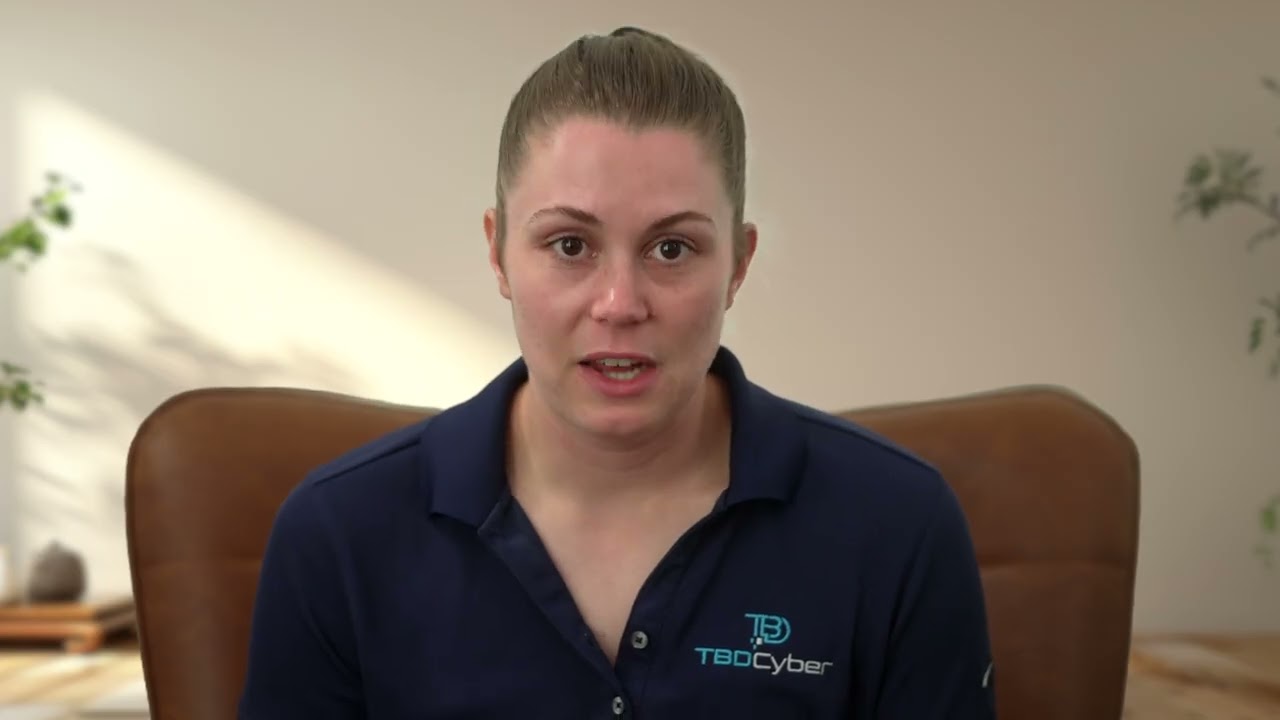
Risk Quantification in Practice
What if your risk register could answer: "What's our probable loss, and what's the cheapest way to reduce it?" In this video, TBDCyber Senior Consultant, Alexandra Reibel walks through how risk quantification works in practice, including modeling frequency and impact as ranges, running simulations, and tying results directly to budget and control decisions. No vibes. Just data.
Mar 161 min read


Cybersecurity Risk Quantification: A Logical Approach
In today’s boardrooms, cybersecurity leaders are being asked questions they were never trained to answer with confidence: How much risk are we carrying? What is the financial impact of a breach? Are we investing in the right controls? Too often, cyber risk is still communicated using subjective ratings like “high,” “medium,” or “low.” While useful at a technical level, these labels fail to support executive decision-making, budget prioritization, and risk ownership at the ent
Jan 122 min read
bottom of page